There is no such thing as a minor wound when it is your wound.
A wound can change how you walk, sleep, bathe, dress, travel, work, and live.
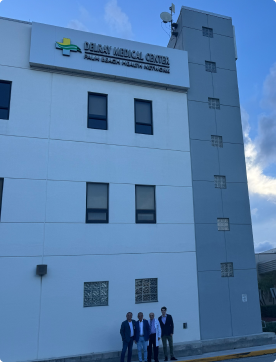
Delray Advanced Wound Center takes care of some of Palm Beach County’s most difficult wounds – and we take the smaller ones seriously too.
Our goal is to help the wound heal while helping you keep your life moving. Often, that means helping you fit wound care into your life rather than allowing the wound to take over your life.
The Delray Advanced Wound Center evaluates skin tears, slow-healing wounds, fragile-skin injuries, postoperative wound openings, and complex wound problems for patients in Delray Beach, Boca Raton, Boynton Beach, Lake Worth Beach, South Palm Beach County, and surrounding areas
Wound not healing, reopening, draining, painful, or getting worse? Call for Wound Evaluation: (561) 495-3412
Please call before coming in. Some insurance plans, out-of-network plans, and Workers’ Compensation cases require referral or authorization.
For hospitals and facilities requiring acute trauma transfer: Tenet Transfer Center – 855-952-7246
Earlier Wound Evaluation Can Change the Course
Many wounds do not start as emergencies. They become prolonged problems because evaluation is delayed.
Patients often care for wounds at home with the best intentions – cleaning the wound, changing dressings, protecting the area, and waiting for it to close. But if the wound is fragile, draining, reopening, swollen, painful, infected, or slow to heal, delay can turn weeks of healing into months of wound care.
When we see a wound early, we can often help right the ship before the problem takes over your life.
Early evaluation may help protect fragile skin, reduce swelling and shear injury, identify infection risk, prevent avoidable tissue loss, adjust the wound-care plan, and determine whether advanced wound care or reconstructive evaluation is needed.
If your wound is not clearly getting better, do not wait. Call: (561) 495-3412
Wound Care for Problems That Should Not Be Ignored
A wound does not have to be catastrophic to matter.
Patients and families often call because a wound:
- Is not healing as expected
- Keeps reopening
- Has increasing drainage
- Looks worse than before
- Is painful, red, swollen, or concerning
- Occurred after a fall
- Developed in fragile or older skin
- Opened after surgery
- Is difficult to dress at home
- Is interfering with walking, sleep, bathing, or daily life
You do not need to decide whether the wound is serious enough. If it is not improving or is causing concern, it deserves evaluation.
Common Wounds We Evaluate
Skin Tears and Fragile Skin Wounds
Skin tears are common in older patients, especially after falls, bumps, bruising, or minor trauma.
Older skin is thinner, more fragile, and more vulnerable to bleeding, swelling, and tissue loss. A wound that looks small at first can sometimes become a prolonged problem if not evaluated early.
- Skin tears
- Fragile lower-leg wounds
- Bruising with skin loss
- Wounds after falls
- Wounds in patients on blood thinners
- Geriatric avulsion-type wounds
- Slow-healing wounds in older patients
Slow-Healing Wounds
A wound that is not closing may need a different level of care. Slow healing can be related to swelling, diabetes, circulation problems, pressure, infection risk, fragile skin, blood thinner use, or poor tissue quality.
Evaluation helps determine whether the wound needs protection, debridement, advanced wound care, closer follow-up, or reconstructive evaluation.
Postoperative Wound Problems
A wound that opens after surgery should not be treated casually.
Postoperative wound problems may involve deeper tissue, exposed structures, infection risk, hardware, or compromised soft tissue coverage.
We evaluate postoperative wound problems after:
- Orthopedic surgery
- Spine surgery
- Neurosurgery
- Scalp surgery
- Trauma surgery
- Skin and soft tissue procedures
- Prior wound closure
Common issues include persistent drainage, wound separation, delayed healing, threatened coverage, or exposed tendon, bone, or hardware.
Regional Referral Resource for Postoperative Wound Problems
The Delray Advanced Wound Center also serves as a regional referral resource for difficult postoperative wound problems from surgical teams and hospitals across South Florida.
Patients are referred when a wound problem requires plastic surgery-level wound and reconstructive judgment, especially after orthopedic, spine, neurosurgical, scalp, or trauma-related procedures.
These referrals may involve:
- Orthopedic postoperative wound breakdown
- Spine closure breakdown
- Neurosurgical wound breakdown
- Scalp wound breakdown
- Persistent drainage after surgery
- Threatened soft tissue coverage
- Exposed or threatened hardware
- Delayed healing after prior closure
- Fragile or compromised tissue over a surgical site
- Wounds where continued breakdown may jeopardize the underlying repair, reconstruction, or instrumentation
These cases are commonly referred from hospitals, surgeons, and facilities in Boca Raton, Broward County, Palm Beach County, and surrounding South Florida communities.
When appropriate, wound evaluation can be coordinated with the original treating surgeon or surgical team. The goal is to protect continuity while determining whether the wound needs structured wound care, closer follow-up, operative planning, or reconstructive escalation.
In these situations, the problem is not simply an open area of skin. The wound may involve tissue viability, mechanical stress, perfusion, infection risk, exposed structures, or threatened coverage over important surgical repairs.
Wounds With Exposed Tendon, Bone, or Hardware
If tendon, bone, or hardware is visible or threatened, the wound should be evaluated promptly.
These wounds often require more than routine dressing care. They may require assessment of blood flow, tissue viability, infection risk, soft tissue coverage, and whether hospital-based reconstructive care is needed.
Why Older Skin Needs Different Wound Care
South Palm Beach County has a large older population. Many wounds in this area occur after low-energy injuries – a fall, scrape, bump against furniture, or skin tear during routine activity.
In older patients, prolonged wound healing can affect walking, sleep, bathing, travel, independence, confidence, and quality of life.
The goal is to identify wounds that can be managed simply and wounds that need closer attention before they become harder to treat.
Plastic Surgery-Level Wound Care
Plastic surgeons are specialists in soft tissue, wound healing, tissue movement, blood supply, closure strategy, scar biology, and reconstruction.
Many clinicians can provide excellent wound care, and many wound centers play an important role. But plastic surgery brings a different foundation: wounds are approached through the core science of healing, tissue viability, perfusion, soft tissue coverage, and reconstruction.
For a plastic surgeon, wound healing is not an added course. It is part of the knowledge base required in surgical training and board certification.
At Delray Advanced Wound Center, that background helps guide decisions about whether a wound should be protected, debrided, closed, reconstructed, watched carefully, or escalated.
The goal is not just to cover the wound. The goal is to understand why it is not healing and what it needs next.
When Wounds Become Difficult, Plastic Surgeons Are Often Called
In the hospital, plastic surgeons are often called when wounds become difficult – when closure fails, tissue is threatened, hardware is exposed, or healing is not following the expected course.
Plastic surgery is the problem-solving specialty for soft tissue, wound healing, blood supply, tissue movement, closure strategy, scar biology, and reconstruction.
At Delray Advanced Wound Center, that same reconstructive judgment is applied to wounds of every size.
A wound does not have to be catastrophic to deserve serious attention. If it is affecting how you walk, sleep, bathe, dress, travel, work, or live, it matters.
If your wound is not clearly improving, call for evaluation: (561) 495-3412
Patients We Commonly Help
- Older adults with fragile skin
- Patients on blood thinners
- Patients with wounds after falls
- Patients with slow-healing lower-leg wounds
- Patients with diabetes or circulation concerns
- Patients with postoperative wound openings
- Patients with wounds after orthopedic, spine, neurosurgical, scalp, or trauma-related procedures
- Seasonal residents and snowbirds
- Patients recovering from surgery in South Florida
- Patients referred by physicians, hospitals, facilities, or case managers
Seasonal and Snowbird Wound Care
Many patients in Delray Beach, Boca Raton, Boynton Beach, and Palm Beach County are seasonal residents.
If a wound develops or worsens while you are in Florida, you still need local care and clear communication.
When appropriate, the center can coordinate with your home physician, surgeon, wound specialist, or care team.
Patients We Commonly Help
When you call, the office will help determine the right next step and whether referral, insurance authorization, or Workers’ Compensation approval is needed.
Evaluation may include:
- Review of how the wound happened
- Review of prior treatment
- Examination of the wound
- Assessment of drainage, swelling, pain, tissue quality, and healing progress
- Review of relevant medical issues
- A wound care plan based on the problem
Care may involve dressing strategy, wound protection, debridement when appropriate, advanced wound-care options, surgical planning, or referral/escalation if needed.
Not every wound needs surgery. The goal is to match the wound to the right level of care early.
Call Before Coming In
Please call before coming in.
Some insurance plans, out-of-network plans, and Workers’ Compensation carriers require referral, authorization, or written approval before evaluation or before coverage can be confirmed.
When authorization is required, please allow at least 3 business days when possible.
If the wound is urgent, worsening, infected, associated with exposed tendon, bone, or hardware, causing severe pain, or accompanied by fever or systemic symptoms, do not wait for routine office authorization. Seek urgent medical care or use the appropriate emergency pathway.
Call early so referral or authorization issues do not delay care: (561) 495-3412
For Physicians, Facilities, Hospitals, and Case Managers
The Delray Advanced Wound Center accepts referrals for routine and complex wound concerns, including difficult postoperative wound problems from outside institutions.
Referral may be appropriate for:
- Skin tears and fragile-skin injuries
- Geriatric avulsion wounds
- Slow-healing wounds
- Wounds in anticoagulated or medically fragile patients
- Postoperative wound openings
- Orthopedic postoperative wound breakdown
- Spine closure breakdown
- Neurosurgical wound breakdown
- Scalp wound breakdown
- Persistent postoperative drainage
- Threatened soft tissue coverage
- Exposed tendon, bone, or hardware
- Wounds where hardware, instrumentation, repair, or reconstruction may be at risk
- Wounds with worsening drainage, odor, tissue loss, or pain
- Snowbird or out-of-area patients needing local continuity
- Wounds that may require hospital-based reconstructive escalation
For orthopedic, spine, neurosurgical, trauma, and other surgical teams, wound evaluation can be coordinated with the treating surgeon when appropriate.
Community Wound Referral / Appointment: (561) 495-3412
For hospitals and facilities requiring acute trauma transfer: Tenet Transfer Center – 855-952-7246
Frequently Asked Questions
No. Many patients are evaluated for common wounds such as skin tears, cuts, slow-healing wounds, fragile-skin injuries, and postoperative wound openings.
Minor wounds can become prolonged problems when fragile skin, swelling, bleeding, infection risk, pressure, or poor tissue quality are underestimated.
Yes. Skin tears and fragile-skin wounds in older patients are a major part of wound care in South Palm Beach County.
Yes. Skin tears and fragile-skin wounds in older patients are a major part of wound care in South Palm Beach County.
That should be evaluated promptly. These wounds may require reconstructive planning rather than dressing care alone.
No. Many wounds do not need surgery. Evaluation helps determine the right level of care.
Yes. The center evaluates postoperative wound openings, persistent drainage, delayed healing, threatened coverage, and wounds involving exposed tendon, bone, or hardware.
Yes. The center evaluates difficult postoperative wound problems referred by orthopedic, spine, neurosurgical, trauma, and other surgical teams when plastic surgery-level wound and reconstructive judgment is needed.
When appropriate, yes. The center can communicate with the treating surgical team to support continuity and determine whether the wound needs structured wound care, closer follow-up, operative planning, or reconstructive escalation.
Please call before coming in. Same-day or next-day evaluation may not be possible if referral, out-of-network approval, or Workers’ Compensation authorization is required.
Call (561) 495-3412